
Anxiety disorders affect a significant share of American adults each year, driving millions to seek relief beyond traditional medication and talk therapy. Among complementary approaches gaining clinical traction, mindful meditation for anxiety has emerged as a research-backed intervention that measurably reduces symptoms when integrated into comprehensive treatment plans. Mental health professionals now routinely recommend meditation alongside evidence-based therapies, recognizing its capacity to address both the physiological and cognitive dimensions of anxiety.
This practice works by retraining the brain’s stress response systems and interrupting the thought patterns that fuel worry and fear. Clinical studies document structural changes in brain regions governing emotional regulation after just eight weeks of consistent practice. Understanding how meditation techniques for stress relief operate at a neurological level helps clarify why this ancient practice translates so effectively into modern psychiatric care.
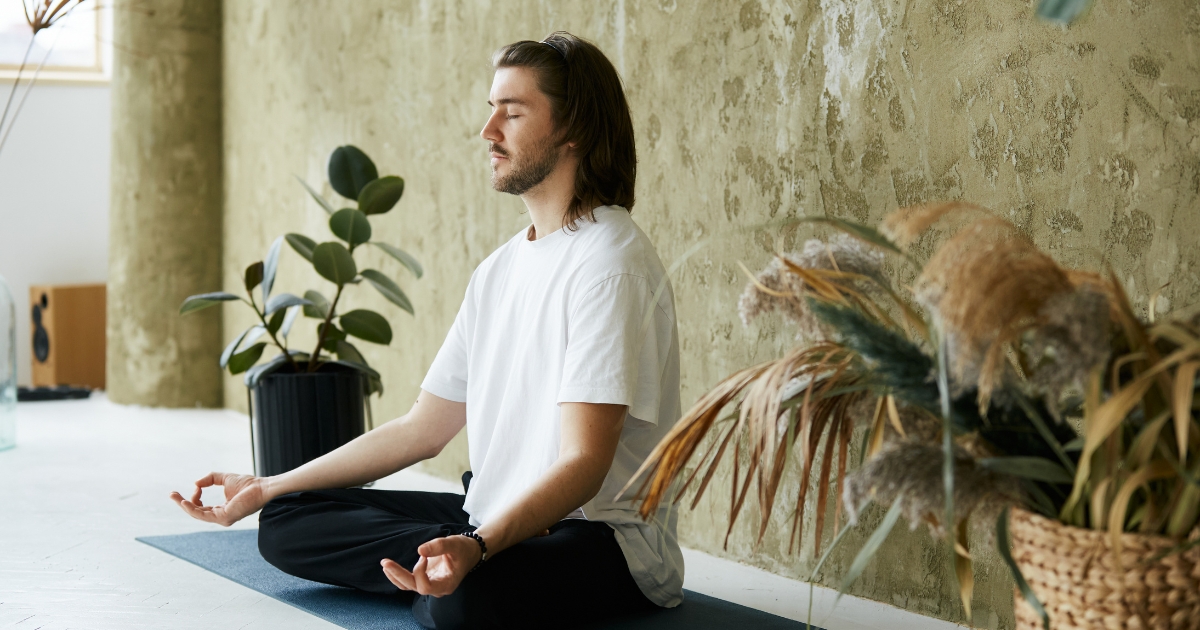
The Science Behind Mindful Meditation and Anxiety Relief
When you engage in mindful meditation for anxiety, this activation triggers a cascade of physiological changes: heart rate slows, blood pressure drops, and cortisol levels decline. You activate the parasympathetic nervous system—the body’s natural brake on the stress response. For individuals with generalized anxiety disorder or panic disorder, this shift directly counters the chronic fight-or-flight activation that characterizes their condition.
Neuroimaging research reveals that consistent practice reshapes brain architecture in anxiety-relevant regions. The amygdala, which processes fear and threat detection, shows reduced gray matter density after eight weeks of structured meditation. Simultaneously, the prefrontal cortex—responsible for rational thought and emotional regulation—demonstrates increased connectivity and thickness. These changes correlate with measurable reductions in anxiety symptom severity across multiple validated clinical scales.
| Brain Region | Change After 8 Weeks | Impact on Anxiety |
|---|---|---|
| Amygdala | Decreased gray matter density | Reduced threat reactivity and fear response |
| Prefrontal Cortex | Increased thickness and connectivity | Improved emotional regulation and rational thinking |
| Hippocampus | Enhanced gray matter concentration | Better memory and contextual fear processing |
| Insula | Strengthened interoceptive awareness | Improved body sensation recognition without catastrophizing |
Studies examining social anxiety disorder, post-traumatic stress disorder, and obsessive-compulsive disorder show similar patterns. Participants who complete mindfulness-based stress reduction programs report significant decreases in worry frequency, rumination, and physical anxiety symptoms.
Clinical Meditation Techniques Proven to Calm Anxiety Naturally
Mental health professionals teach specific mindful meditation for anxiety approaches tailored to different presentations. Body scan meditation addresses the physical manifestations of anxiety—muscle tension, shallow breathing, digestive distress—by systematically directing attention through each body region.
Breath-focused techniques serve as first-line interventions during acute anxiety episodes. Box breathing—inhaling for four counts, holding for four, exhaling for four, holding for four—interrupts the rapid, shallow breathing that perpetuates panic. The 4-7-8 pattern (inhale four counts, hold seven, exhale eight) activates the vagus nerve, directly signaling the nervous system to downregulate arousal.
Clinicians incorporate these evidence-based mindfulness practices for beginners into treatment protocols:
- Progressive muscle relaxation paired with breath awareness, tensing and releasing muscle groups while maintaining mindful attention to physical sensations
- Loving-kindness meditation to counter social anxiety and self-criticism, directing compassionate phrases toward oneself and others
- Guided visualization using safe-place imagery, creating mental refuges that activate calming associations during distress
- Mindful observation of thoughts, practicing the skill of noticing anxious thoughts without engaging or believing them
- Grounding techniques combining sensory awareness with present-moment focus, anchoring attention in immediate physical reality
- Walking meditation for those who find stillness anxiety-provoking, maintaining mindful awareness during slow, deliberate movement
Breathing Exercises for Panic Attacks
When panic strikes, breathing exercises for panic attacks provide immediate physiological intervention. Diaphragmatic breathing—placing one hand on the chest and one on the abdomen, breathing so only the lower hand rises—corrects the chest-based hyperventilation common in panic episodes. This technique reduces carbon dioxide depletion that causes dizziness and tingling, symptoms that often escalate panic.
What Is the Best Meditation for Anxious Thoughts
For racing thoughts and worry spirals, open monitoring meditation proves particularly effective. Rather than concentrating on a single focal point, practitioners observe whatever arises in awareness—thoughts, emotions, sensations—without attachment or analysis. This approach teaches the fundamental skill of watching anxious thoughts pass without becoming entangled in their content. When patients ask “What is the best meditation for anxious thoughts?” this technique offers an answer through direct experience rather than suppression.
When Meditation Works Best Alongside Professional Anxiety Treatment
Mindfulness-based stress reduction integrates seamlessly with cognitive behavioral therapy, the gold-standard treatment for anxiety disorders. While CBT teaches patients to identify and challenge distorted thoughts, meditation provides the metacognitive awareness to notice thoughts arising without immediate reaction. This combination proves more effective than either intervention alone, with research showing enhanced treatment retention and lower relapse rates.
For individuals on anti-anxiety medication, mindful meditation for anxiety offers benefits including reduced medication dosages over time as coping skills strengthen. Psychiatrists often recommend establishing a consistent practice before tapering medications, using meditation as a non-pharmacological tool to manage withdrawal symptoms and prevent rebound anxiety. The approach requires close medical supervision but offers a path toward reduced pharmaceutical dependence for appropriate candidates.
| Treatment Component | Primary Mechanism |
|---|---|
| Cognitive Behavioral Therapy | Restructures maladaptive thought patterns and beliefs |
| Mindful Meditation | Develops non-reactive awareness and physiological regulation |
| Medication Management | Adjusts neurotransmitter levels to reduce baseline anxiety |
| Combined Approach | Addresses cognitive, physiological, and neurochemical dimensions simultaneously |
Realistic expectations matter when incorporating how to calm anxiety naturally through meditation. Most practitioners notice subtle improvements within two to four weeks—better sleep, slightly reduced muscle tension, moments of mental quiet. Significant symptom reduction typically emerges after eight to 12 weeks of daily practice.
Professional mental health support becomes essential when anxiety interferes with work, relationships, or daily functioning despite consistent self-help efforts. Warning signs include persistent panic attacks, avoidance behaviors that limit life activities, or suicidal thoughts. If you or someone you know is in crisis, call or text 988 to reach the Suicide & Crisis Lifeline, available 24/7. In these cases, “Can meditation reduce worry and fear?” remains a valid question, but the answer is that it works best as one element within comprehensive treatment rather than a standalone solution.
Finding Calm in the Magnolia Health Group
Magnolia Health Group integrates evidence-based meditation instruction into comprehensive anxiety treatment programs designed for lasting recovery. Our clinical team combines cognitive behavioral therapy, medication management when appropriate, and structured mindfulness training to address all dimensions of anxiety disorders. Whether you experience generalized anxiety, panic disorder, social anxiety, or obsessive-compulsive disorder, our therapists tailor mindful meditation for anxiety techniques to your specific symptom profile and treatment goals. We teach practical skills you can use during acute anxiety episodes and build the daily practice that creates long-term neurological change. Guided meditation benefits extend throughout treatment as you develop sustainable coping strategies. If anxiety is limiting your life despite your best self-help efforts, our intake specialists can assess whether our programs align with your needs. Contact us today to begin your journey toward sustainable anxiety relief grounded in clinical expertise and compassionate care.
FAQs
These frequently asked questions address common concerns about integrating meditation into anxiety treatment. The answers reflect current clinical research and evidence-based practice guidelines.
1. How long does it take for meditation to reduce anxiety symptoms?
Most people notice subtle improvements in anxiety within two to four weeks of daily practice, though significant changes typically emerge after eight to 12 weeks of consistent meditation. Clinical studies on mindful meditation for anxiety show measurable reductions in anxiety scores after completing structured eight-week meditation programs. The timeline reflects the gradual neuroplastic changes occurring in brain regions governing emotional regulation and stress response.
2. Can meditation make anxiety worse initially?
Some people experience increased awareness of anxious thoughts when starting meditation, which can feel uncomfortable at first. This is a normal part of the process as you become more attuned to your mental patterns, and typically subsides within one to two weeks as you develop greater emotional regulation skills. If heightened anxiety persists beyond two weeks or feels unmanageable, consult a mental health professional to adjust your approach or explore whether underlying issues require clinical treatment.
3. What is the best type of meditation for panic attacks?
Breath-focused meditation and grounding techniques work best during panic attacks because they redirect attention to physical sensations and slow the breathing rate. Box breathing (four-four-four-four pattern) and 4-7-8 breathing are particularly effective for interrupting the panic response cycle. These techniques activate the parasympathetic nervous system, directly countering the physiological arousal that characterizes panic episodes.
4. How often should I practice mindful meditation for anxiety relief?
Clinical research suggests daily practice of 10 to 20 minutes provides optimal anxiety reduction benefits. Consistency matters more than duration—practicing 10 minutes daily produces better results than sporadic longer sessions. Many people find morning practice sets a calm tone for the day, while others prefer evening sessions to process accumulated stress before sleep.
5. Is meditation alone enough to treat anxiety disorders?
While meditation significantly reduces anxiety symptoms, moderate to severe anxiety disorders typically require comprehensive treatment including therapy and sometimes medication. Guided meditation benefits are substantial, but the practice works best as a complementary element within a broader treatment plan supervised by mental health professionals. If anxiety interferes with daily functioning, relationships, or work despite consistent meditation practice, professional evaluation ensures you receive appropriate care for your symptom severity.